
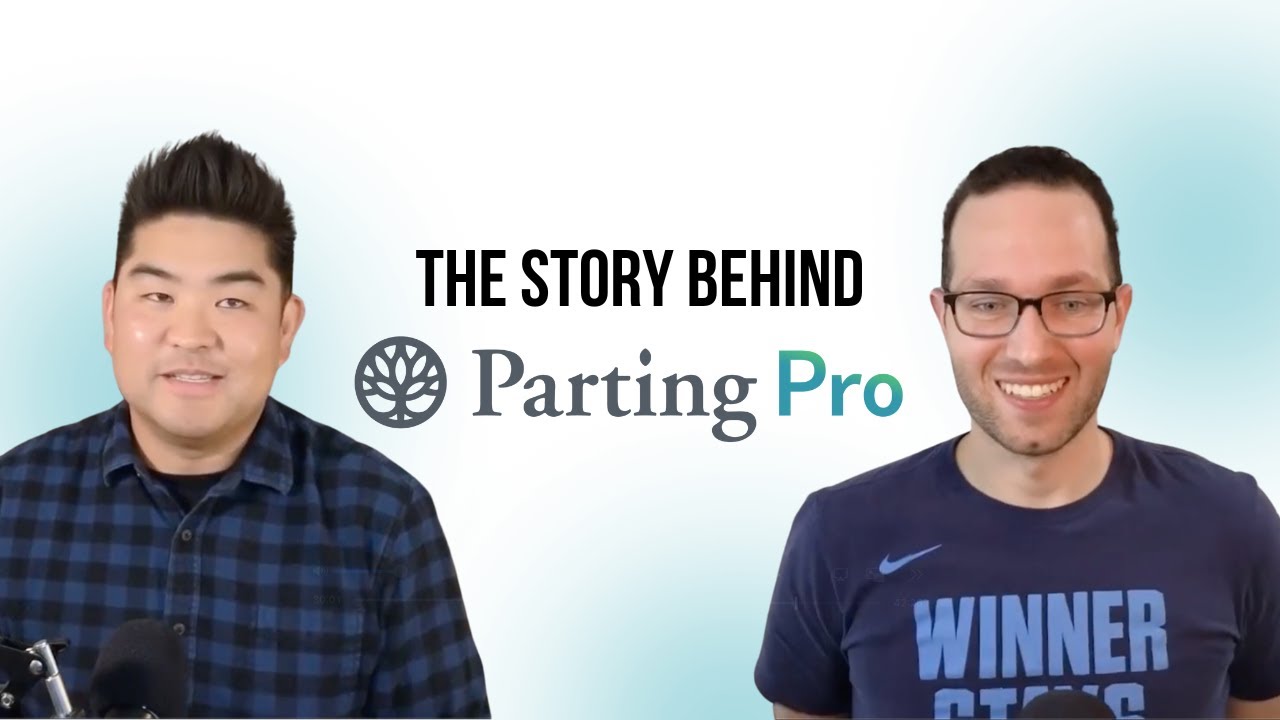
The Entrepreneurial Journey Behind Parting Pro | #28
Some podcast episodes teach tactics. This one tells a story that explains why funeral tech succeeds in some hands and fails in others.
In this episode of The Direct Cremation Podcast, Will DeMichelis puts Tyler Yamasaki in the hot seat to unpack the Parting Pro journey, from a consumer-first idea to a platform that powers real funeral home operations. It plays out like a startup origin story, with near-misses, hard pivots, and one big lesson: funeral homes don’t just need software. They need a solution, a process, and a path to adopt it.
The First Spark: A Family Loss and a Broken Information Experience
Tyler didn’t come from death care. His first real exposure hit in 2014 when his grandmother passed away. As a family member, he felt the same thing many families still feel today: confusion.
He couldn’t see pricing easily. He couldn’t tell what would happen next. He couldn’t find clear expectations online before walking into a funeral home. Coming from online marketing and SEO, he expected transparency and guidance. Death care didn’t deliver that, at least not in a way the internet-trained consumer brain could process.
So he did what a lot of founders do. He tried to “disrupt” it.
The First Model: The Hotels.com Approach, and Why It Broke
Tyler and his co-founder started with a consumer marketplace concept, basically “Hotels.com for funeral homes.” They collected price lists and posted them online so families could shop. It sounded logical.
Then reality showed up.
Two problems slammed that model early:
- The industry lacked infrastructure. You can’t build a marketplace when the supply side runs on paper, phone calls, and manual workflows. No automated booking. No consistent product data. No standardized package structures. Families might shop online, but funeral homes couldn’t fulfill online in a scalable way.
- They built for the wrong customer. Families wanted the info, but funeral homes held the budget. The model created friction with the very businesses it depended on.
Tyler even describes an early call with a funeral home owner that turned into a full-on scolding. That moment made the choice clear. He could keep fighting the industry, or he could build tools that help funeral directors win.
The Pivot: Build The Bridge, Not The Billboard
With funding running out, the team got accepted into an accelerator at the last possible moment. That timing forced focus. They reframed the real problem as a “bridge” between a high-tech consumer and a low-tech profession.
The bridge needed an on-ramp on both sides.
Instead of pushing families to shop harder, they started building a funeral arrangement software platform that funeral homes could actually operate. Tyler noticed cremation trends rising and saw an opening. Direct cremation often involves fewer decisions than burial. It can work more transactionally. Families also show more willingness to complete online funeral arrangements when the price point stays lower and the logistics stay simpler.
That insight became the foundation of Parting Pro: build for the funeral home, and improve the family experience through better operations.
Early Days: The “OG” Product and The First Big Win
Tyler describes Parting Pro 1.0 like a bare-bones online store. It offered a simple package selection, a basic cart, payments, and notes. It didn’t generate documents. It didn’t support cremation authorization signatures, ID verification, review requests, or the support structure teams expect today.
Then came a pivotal customer moment: Omega Society.
Tyler shares that Omega Society became one of the first meaningful wins, partly because proximity mattered. The team could drive down, meet repeatedly, and work through details face-to-face. That closeness reduced stress and sped up trust, especially in an industry where change feels heavy.
And change did feel heavy.
Will describes the classic implementation curve: the team fights it, the owners complain, and then two or three weeks later everyone says, “How did we ever live without this?”
That adoption pattern explains a huge truth about funeral home software. Funeral homes often know the problem, but they don’t automatically chase the solution. Even when they buy the solution, they still need someone to show them how to use it to get the result they want.
What The Platform Became: From Tool to System
As Parting Pro grew, it expanded into a fuller funeral management system: arrangements, payments, statement generation, paperwork workflows, and connected back-office operations.
Tyler emphasizes a product philosophy that stands out: Parting Pro builds for the funeral director first. If the software makes staff faster, clearer, and more consistent, the family experience improves automatically. In practice, that means connecting the online arranger to everything behind it, including forms, documents, payment processing, and operational steps.
That’s why “funeral director app” functionality matters. It isn’t about being flashy. It’s about removing paper, reducing callbacks, and creating one source of truth.
COVID: The Moment That Forced Everyone To Level Up
The episode also calls out what many operators lived through. COVID accelerated tech adoption overnight. Teams worked from home. Paper processes collapsed. Even hesitant staff had to become power users.
For high-volume cremation brands, cremation software and reliable workflow tools didn’t just help. They kept the machine running.
What’s Next: Arranger 3.0 and A Different Decade of Death Care
Tyler hints at Parting Pro’s next evolution: Arranger 3.0, built to unlock more flexibility on the front end while simplifying the back end. He avoids hard dates, but he frames the goal clearly: make the funeral home’s job easier, and the arrangement experience improves as a byproduct.
When the conversation shifts to the next 10 years of death care, Tyler predicts less emphasis on physical tradition and more digital memorialization, virtual elements, and new forms of “experience-based” remembrance. Whether that future looks inspiring or Black Mirror, he expects rapid change.
This episode doesn’t just tell a company story. It explains how funeral tech wins: solve real operational pain, guide adoption, and make the funeral director stronger. That’s how a cremation website becomes a system, not a brochure.
Know more here: https://youtu.be/aRDw-njETwA