
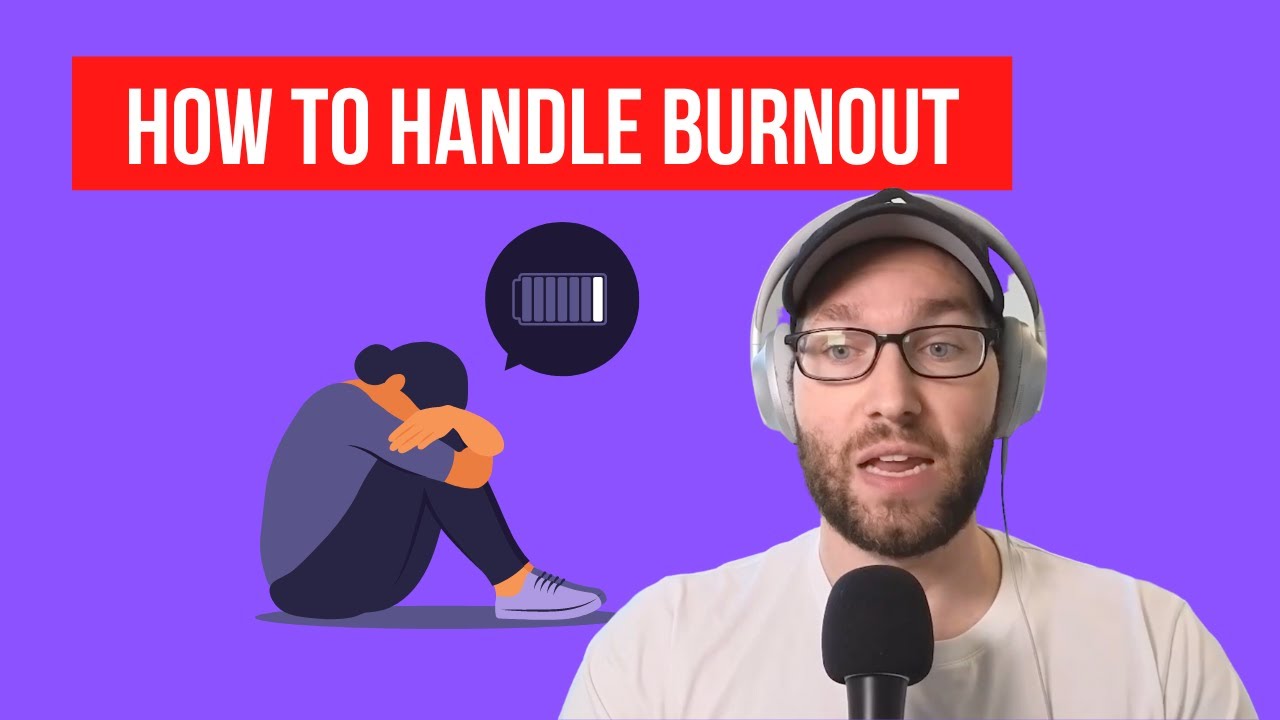
Self-Care in Death Care Part II: How to Handle Job Burnout #34
If you’ve ever ended a shift feeling emotionally wrung out—like you gave everything to families and had nothing left for yourself—you’re not imagining it. In this solo episode of the Direct Cremation Podcast, host Will Demichelis continues his self-care series with a practical, straight-talking Part 2 on workplace burnout in funeral service. He pulls guidance from the Mayo Clinic, but he keeps the conversation grounded in the realities of death care: long hours, unpredictable calls, compassion fatigue, and the quiet pressure to “just handle it.”
And if you’re a manager, owner, or team lead focused on funeral home management, this episode lands with a message you can’t ignore: your people can’t pour from an empty cup—no matter how committed they feel to families.
Why Burnout Hits Funeral Professionals So Hard
Will starts by naming what so many funeral directors, arrangers, and cremation teams live every week: the schedule itself can become a burnout machine.
He highlights a few major risk factors that show up constantly in death care workplaces:
- Heavy workload + long or unpredictable hoursOn-call weekends, overnight phones, and rolling straight into a Monday shift without real recovery time will drain anyone fast.
- Work-life balance that never actually balancesWhen work follows you home through calls, emails, and emotional cases, your nervous system never gets to stand down.
- The “helping profession” effect (aka compassion fatigue)Funeral service may not be healthcare, but it sits right next to it emotionally. You absorb grief, trauma, conflict, and family dynamics for a living. That takes real capacity.
- Little control over your workMicromanagement, unclear expectations, unnecessary meetings, or chaotic processes don’t just annoy people—they wear them down over time.
This is where the conversation quietly connects to operations and funeral tech. When the team runs on vague workflows and constant interruptions, burnout spikes. Clear roles, consistent processes, and the right funeral home software or funeral management system can reduce the scramble that makes people feel powerless.
The Consequences Aren’t “Just Stress”
Will doesn’t sugarcoat the outcomes. He calls out the obvious ones—excessive stress, fatigue, and insomnia—and then goes deeper into what those symptoms can turn into when someone pushes through for months (or years).
Burnout can show up as:
- Chronic anxiety and that constant “fight or flight” feeling
- Irritability, sadness, and anger (even when you want to be patient)
- Sleep disruption that wrecks your energy and focus
- Increased risk of stress-related health issues like high blood pressure
- And a tough but important topic: alcohol or substance misuse as a coping mechanism
Will also shares an observation from the pandemic era: he noticed more “deaths of despair” during COVID, including overdoses and suicides. That reality matters for funeral professionals because you don’t just witness community trauma—you process it while still showing up for the next family.
The Best Advice In The Episode: Take Action (Even Small Action)
The turning point of the episode is Will’s simplest prescription: action helps.
Not “perfect action.” Not “quit tomorrow.” Just action that interrupts the spiral.
Here’s the burnout toolkit he lays out:
- Evaluate your optionsTalk to someone you trust—your spouse, a friend, a mentor—someone who can help you frame what’s happening and decide your next step. Burnout thrives in silence.
- Bring it to your manager (with a plan)Will encourages listeners to have the conversation instead of holding everything in. A strong leader should want you at 100%, not operating permanently on fumes.
If you lead a team, this is where structure matters. Better scheduling practices, clear expectations, and modern funeral arrangement software can reduce last-minute chaos. The right funeral director app can also help teams share tasks, document progress, and avoid “where are we on this case?” stress after hours.
- Seek support (and use your benefits)If your workplace offers an Employee Assistance Program, use it. If you need therapy, pursue it. Community support counts too—trusted coworkers, peers, professional groups.
- Protect sleep and reduce screen timeWill shares a simple habit: avoid checking work email late at night and try to stay off screens about an hour before bed. That boundary can improve rest and recovery fast (especially if you’re not on call).
- Try a relaxing practice that actually works for youWill speaks from personal experience about breathwork, mindfulness, and meditation. He describes them as practical tools, not trendy buzzwords—ways to reset your body and return to the present in minutes.
Innovative Funeral Home Ideas That Reduce Burnout
This episode isn’t a “software episode,” but it pairs naturally with a real operational truth: burnout often grows when the day runs on constant friction.
If your team handles online funeral arrangements, online cremations, or online cremation services, consider whether your systems support the staff—or create more steps. A streamlined cremation website, reliable crematory software, and well-designed funeral planning software can cut repetitive tasks and protect your team’s emotional bandwidth.
(And yes—people ask about free funeral home software or free funeral home management software. Free tools can help you start, but make sure they don’t cost you time, security, or sanity in the long run.)
Final Takeaway
Will’s message lands with clarity: you’re not weak for feeling burned out—you’re human doing emotionally demanding work. Take action, ask for support, and build a work environment where compassion doesn’t come at the expense of the caregiver.
If this episode hit close to home, share it with a coworker who’s been carrying too much. Sometimes the best support starts with, “Hey—I heard this and thought of you.”
🎧 Watch the full episode here: https://www.youtube.com/watch?v=kVs7OjDFfaM