
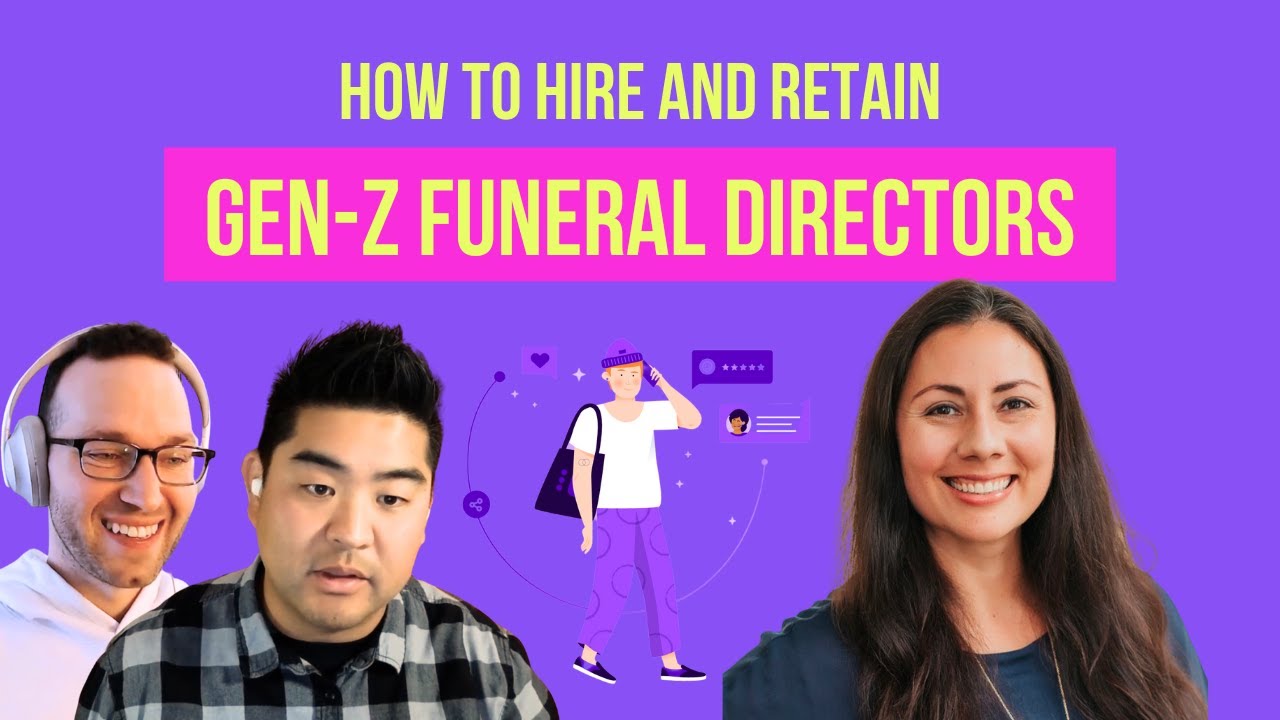
How To Hire And Retain Gen-Z Funeral Directors | Leili McMurrough (Worsham College) #26
In Episode 26 of the Direct Cremation Podcast, Tyler Yamasaki and Will DeMichelis sit down with Leili McMurrough, licensed funeral director, attorney, and owner of Worsham College of Mortuary Science. Worsham graduates nearly 10% of all new funeral directors in the United States each year. When Leili talks about the future workforce, the industry should listen.
This conversation wasn’t about theory. It was a practical, sometimes uncomfortable look at why younger funeral professionals leave—and what funeral home owners can do right now to fix it.
If you run a funeral home, cremation brand, or are investing in funeral home management systems, this episode connects staffing strategy with long-term operational success.
The Workforce Shift Is Real (And It’s Here)
Only about 1,500 mortuary science graduates enter the field nationally each year. Of those, roughly 72% are women—a number that continues to rise. Even more eye-opening? Only 9% are “legacy” students from funeral families. That means over 90% are walking in with little or no background in funeral service.
Many have never worked a job before mortuary school. Some have never stepped inside a funeral home.
Yet funeral home owners often expect them to answer first calls, manage funeral arrangements, and represent the brand immediately.
That gap creates friction. And friction leads to turnover.
Why Gen‑Z Is Entering Funeral Service
Leili sees three common pathways:
- A transformative personal loss.
- Exposure through books or social media.
- A funeral director who said, “You’d be good at this.”
That last one matters most.
Gen‑Z craves mentorship. They stay at jobs because of their boss. If a funeral director believes in them, they lean in. If leadership dismisses them, they leave.
For owners investing in funeral tech, cremation software, and online funeral arrangements, none of it works without people who want to stay.
The Onboarding Problem No One Talks About
Most funeral homes still onboard like it’s 1985:
“Here’s the bathroom. Listen to Mary answer the phone. You’re up on Friday.”
That model fails Gen‑Z. They didn’t grow up answering landlines. They’ve never taken handwritten messages. When you hand them a ringing phone without preparation, you don’t build resilience—you build anxiety.
At Worsham, students complete five simulated first calls. By the fifth call, the “nurse” speaks fast, offers no patience, and tests their composure. Many cry.
That’s training.
Funeral homes need structured onboarding the same way they need structured processes for cremation arrangements or online cremation services.
If you document your funeral arrangement software workflows, you can document your onboarding too.
Compensation Isn’t Optional
Today’s graduates often carry $30,000+ in student debt. Many hold bachelor’s degrees before mortuary school.
Leili’s advice is simple: run the numbers in your area.
- What does rent cost?
- What does groceries cost?
- What does gas cost?
If compensation doesn’t support basic living expenses, no amount of mission statements will create retention.
The same funeral home that invests in the best funeral home software or crematory software must also invest in people. Otherwise, you build operational efficiency without operational stability.
Stop Saying “We’re a Family”
One of the most surprising insights from this episode: younger employees distrust the phrase “we’re a family.”
Why? Because words must match reality. If you don’t provide mentorship, feedback, transparency, or schedule consistency, calling the workplace a family feels hollow.
Gen‑Z doesn’t need slogans. They need leadership.
Feedback Prevents Turnover
Leili tracks her graduates. Roughly 50% leave the profession within five years.
The top reason? No feedback. Not bad feedback. No feedback.
They didn’t know if they were improving. They didn’t know if they were valued. No one noticed their work.
Monthly one‑on‑ones, even informal coffee check-ins, dramatically reduce this risk. Funeral home management is no longer just about operations—it’s about communication systems.
Just as you audit your funeral website or marketing cremations strategy, you must audit your leadership habits.
Burnout Looks Different Now
Burnout isn’t just 80-hour weeks.
One graduate left because he hadn’t been able to attend church for three months. Not because he hated the work—but because his schedule never stabilized.
High performers often burn out first. Owners rely on them, stretch them, and unintentionally push them away.
If you operate online cremations or high-volume models, protecting schedules is as critical as optimizing funeral planning software.
What Death Care Looks Like in 10 Years
Leili predicts:
- More individualized funeral experiences.
- Greater integration of AI and digital tools.
- Stronger visual communication of value.
- Skills-based education and micro-credentialing.
- A more transparent, tech-forward funeral website presence.
Consumers want to see value quickly. You won’t always get 30 minutes to explain your GPL. You may get 30 seconds.
The same clarity that makes the best online cremation software successful must apply to communicating service value.
Technology will reshape death care—but leadership will determine who thrives.
The Real Takeaway
This episode wasn’t about “kids these days.”
It was about responsibility.
If 75% of the workforce will be Millennials and Gen‑Z, the industry must evolve. That evolution doesn’t require massive capital investment. It requires time, clarity, mentorship, and better onboarding.
Small steps matter:
- Rewrite one handbook section.
- Clarify one process.
- Schedule one monthly check‑in.
- Personalize one development plan.
Funeral service has always been about people. The future still is.
And if we lead well, the next generation won’t just stay—they’ll transform the profession for the better.
🎧 Watch the full episode here: https://www.youtube.com/watch?v=8fn-Be4ZbeA